Contact
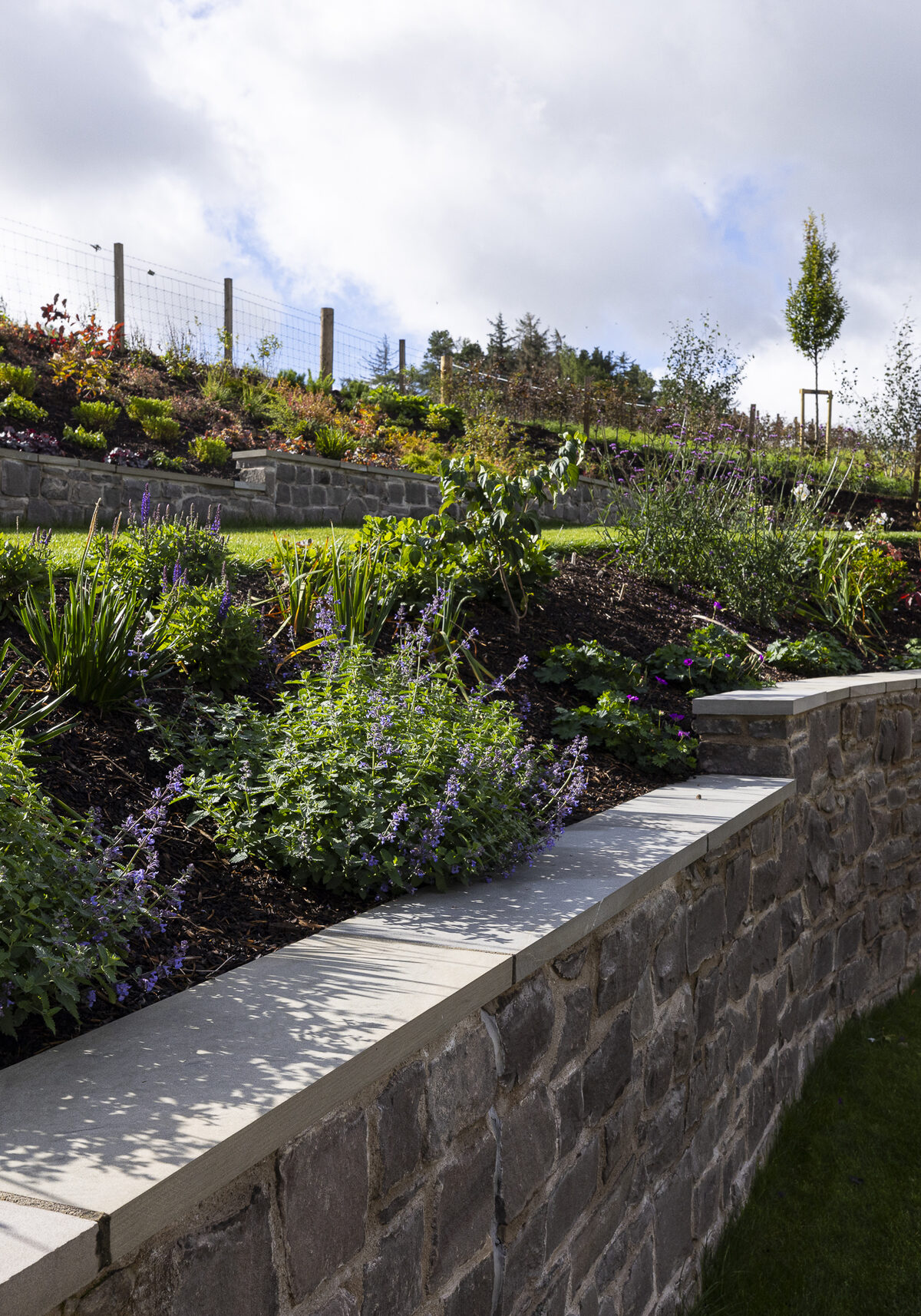
Layered planting beside a natural stone wall in a Wallace Collective garden

Sustainability & Biodiversity Policy

Build it and they will come.

Every outdoor space can do more: hold water, build healthy soil, feed pollinators, shelter wildlife and give people a deeper connection to the seasons.

Our position

Beautiful spaces should leave room for nature.

Wallace Collective designs outdoor spaces for long-term human use and ecological value. We recognise that construction consumes materials and changes land. Our responsibility is to make those decisions carefully, reduce avoidable impacts and create meaningful opportunities for nature to recover.

This policy guides our design, specification, sourcing and planting decisions. It is not a promise that every project can achieve every measure. It is a commitment to ask better questions, make the best practical choices available and improve as evidence and materials evolve.

19%

Average decline in the abundance of studied UK species since 1970.

1 in 6

Assessed species are now threatened with extinction in Great Britain.

Source: State of Nature 2023, drawing on millions of records from monitoring schemes and biological recording centres.

Our commitments

Nature considered from the first line.

Biodiversity cannot be added as a finishing touch. It begins with how a space is laid out, what is retained, how water moves and what is planted.

Design for living systems

We look beyond decoration to create connected layers of habitat: trees, hedges, climbers, shrubs, perennials, ground cover and, where suitable, water. Planting is selected for the site, the people using it and the wider landscape.

Plant for every season

We aim for a succession of flowers, fruit, seeds and shelter across the year. Native species are prioritised where they are the right choice, supported by resilient non-invasive plants that extend food and habitat for wildlife.

Protect soil and water

Healthy soil is an ecosystem in its own right. We minimise unnecessary disturbance, retain and improve viable site soil, use peat-free growing media, mulch responsibly and consider permeable surfaces, rainwater capture and nature-led drainage.

Use less, choose well

We favour durable, repairable materials and thoughtful detailing that lengthens the life of a project. We seek responsibly sourced timber, recycled or recyclable content and local supply where performance, provenance and availability allow.

Review and improve

At design stage we identify realistic opportunities for habitat, planting diversity, water management, material efficiency and waste reduction. We review this policy as knowledge, standards and our supply chain develop.

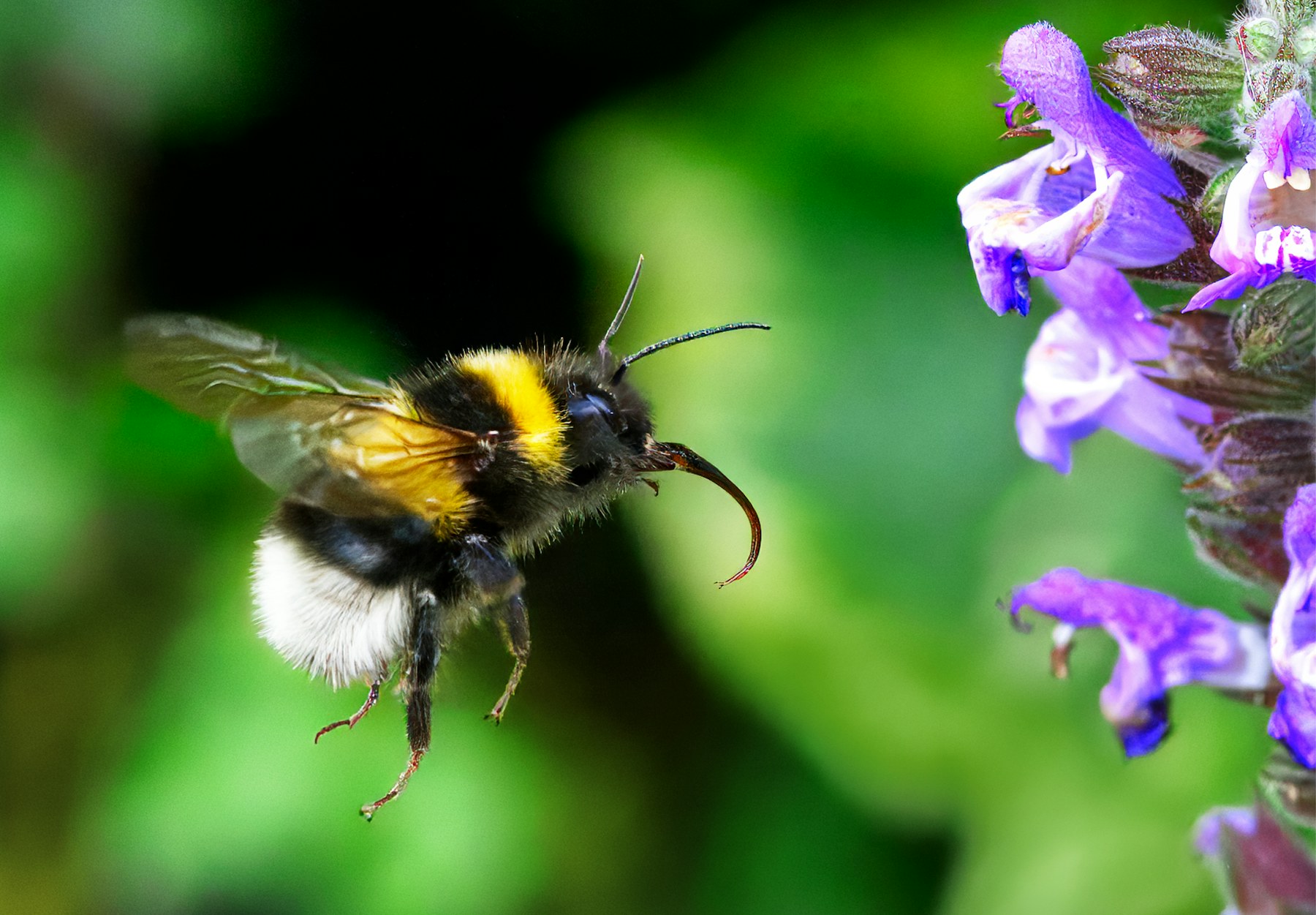
A bumblebee approaching purple flowers

Planting with purpose

Food, shelter, water and somewhere to breed.

A wildlife-friendly garden is not defined by a single product. It is created by diversity, connection and time. A layered scheme offers more niches than a monoculture, while flowering succession helps avoid seasonal gaps in nectar and pollen.

  • Retain healthy trees, hedges and useful habitat wherever the design allows.
  • Create variety in plant form, height, flowering period and shelter.
  • Avoid invasive species and select plants suited to Scotland's climate and the specific site.
  • Reduce hard surface area where it adds no practical or design value.
  • Design for longevity, repair and adaptation rather than short replacement cycles.
  • Separate and reduce site waste, reusing suitable materials where safe and practical.
Explore RHS wildlife gardening guidance

How we apply the policy

From intention to specification.

01

Understand the site

We consider existing habitat, soil, drainage, exposure and the wider landscape before deciding what should change.

02

Set practical priorities

We agree which biodiversity, water, material and planting opportunities are relevant to the project and its long-term care.

03

Specify clearly

The design records selected plants, materials and habitat features so that good intentions survive procurement and construction.

04

Build for establishment

Planting needs suitable soil, water and aftercare. We explain establishment requirements and encourage clients to let the landscape mature.

Build it and they will come.

Create the conditions for life, then give nature the time and space to respond.

Discuss your outdoor space

Policy published September 2026 · Reviewed annually